Memory Boost Worksheets: Printable + Digital Recall
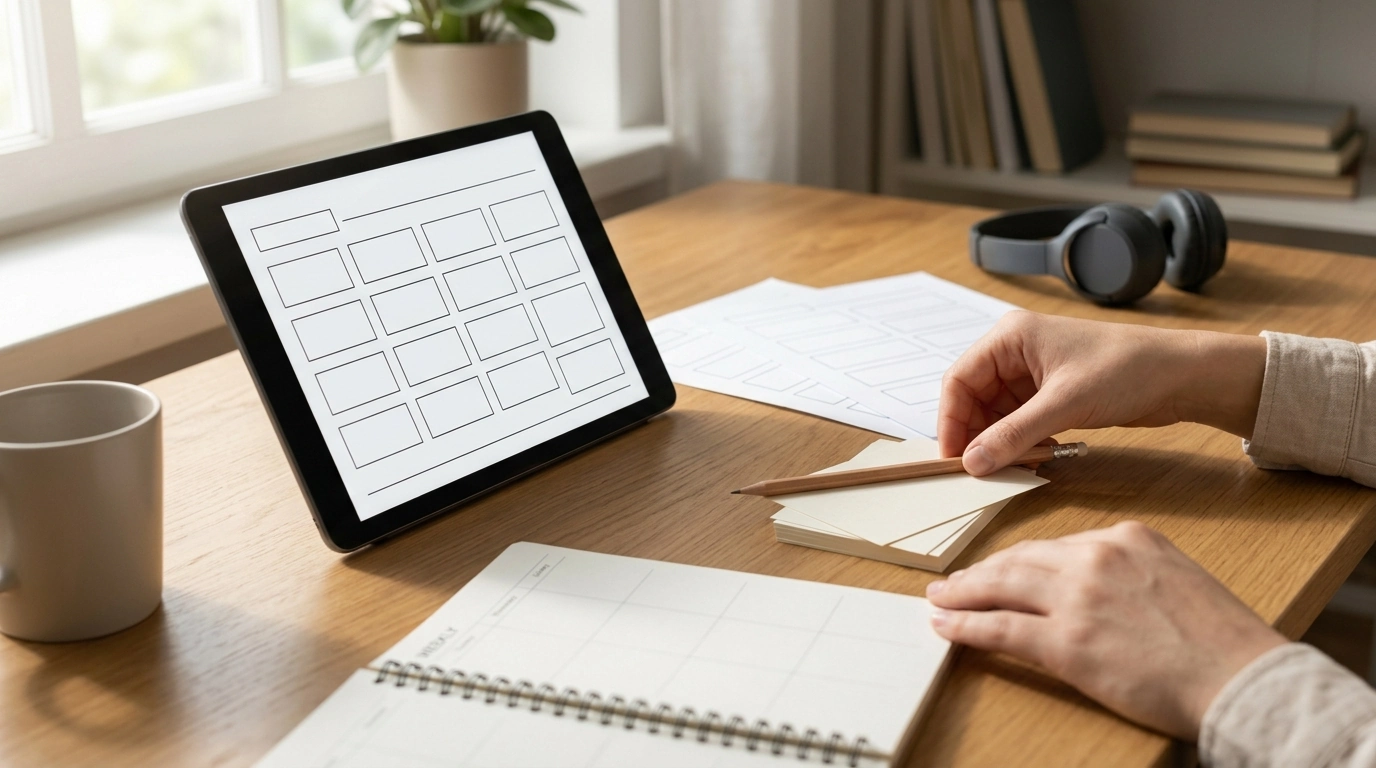
Memory Boost Worksheets for Students & Adults: Printable + Digital Brain Training for Study, Recall, and Daily Focus
Stronger memory rarely comes from “trying harder.” It comes from practicing the right skills—attention, encoding, organization, and retrieval—using repeatable exercises. This printable + digital worksheet set is designed for students who need better study recall and adults who want sharper everyday memory with practical tools that fit a busy schedule. For more guidance, see free printable memory worksheets for adults.
Who These Worksheets Help (and What Problems They Solve)
Memory gaps don’t always mean “bad memory.” More often, they point to a weak link in the chain: distraction during learning, shallow encoding, inconsistent review, or low retrieval practice. These worksheets target the skills that make information easier to store and faster to access. For further reading, see FREE PRINTABLE MEMORY WORKSHEETS FOR ADULTS.
- Students: remember lecture notes, vocabulary, formulas, timelines, and test details without last-minute cramming.
- Adults: recall names, appointments, task steps, conversations, and where items were placed.
- Anyone rebuilding focus: reduce “read it but can’t remember it” by strengthening attention and encoding.
- Skill targets: concentration, chunking, association, visualization, spaced practice, and retrieval under time pressure.
What’s Included in the Digital Download
The set is structured so you can use it like a routine: repeatable pages, quick prompts, and built-in reflection that helps you adjust what’s not working instead of doing more of the same.
- A guided brain training eBook format with worksheet-style activities that can be printed or used digitally.
- Memory technique prompts (association, imagery, acronym building, story method, method of loci practice templates).
- Study and recall tools: structured note-to-recall conversions, self-quizzing pages, and review planners.
- Progress-friendly layout: repeatable pages that work as a weekly routine rather than a one-time read.
How Memory Improves: A Simple Model That Matches the Exercises
Different problems need different practice. The pages are designed around a simple model: get information in clearly, make it meaningful, keep it available, then practice pulling it out when it counts.
- Attention (getting information in): short focus drills and distraction audits help reduce “in one ear, out the other.”
- Encoding (making it meaningful): prompts guide users to connect new material to familiar anchors (images, categories, stories).
- Storage (keeping it available): spaced review schedules and quick refresh pages reduce forgetting.
- Retrieval (pulling it out on demand): active recall sheets, timed prompts, and “blank page” tests build exam-ready recall.
Research consistently supports retrieval practice and spaced review as high-impact learning methods. For deeper reading, see evidence on the benefits of retrieval practice from Science and an overview of effective learning techniques (including practice testing and distributed practice) in Psychological Science in the Public Interest.
Worksheet Map: Match the Page to the Goal
Use the guide below to pick the most effective page for the specific challenge you’re dealing with today—rather than defaulting to re-reading or highlighting.
| Goal | Best Worksheet Type | How to Use | When to Repeat |
|---|---|---|---|
| Remember what was read | Active recall prompts | Read briefly, close source, answer from memory, then correct | Same day + 2–3 spaced reviews |
| Memorize lists/steps | Chunking + sequencing pages | Group into 3–5 chunks, create a quick “chunk label” | Daily until automatic |
| Names and faces | Association + imagery builder | Attach a vivid image to a feature + name sound | Immediately + next day |
| Test readiness | Timed retrieval sheets | Set a short timer, write everything remembered, review gaps | Weekly leading to exams |
| Working memory focus | Short concentration drills | Single-task for a fixed window; track distractions and resets | 3–5x per week |
A 15-Minute Daily Routine (Printable or Digital)
Consistency beats intensity. This routine is designed to fit into real schedules while still hitting the highest-return memory skills.
- Minute 1–3: focus reset (remove one distraction, set one intention, quick breathing or grounding prompt).
- Minute 4–8: encoding practice (choose one technique—imagery, story, acronym, or location-based mapping).
- Minute 9–13: retrieval practice (answer prompts from memory without looking; then check and correct).
- Minute 14–15: micro-plan for spacing (schedule the next review: later today, in 2 days, and in 1 week).
- Adaptations: students can attach the routine to homework blocks; adults can attach it to morning planning or evening wind-down.
Tips to Get Better Results (Without Adding More Study Time)
Recommended Digital Downloads (In Stock)
- Memory Boost Worksheets for Students & Adults | Printable Digital Download | Brain Training eBook, Memory Techniques, Study & Recall Tools (Digital download)
- Minimalist Travel Packing Planner | Digital Packing Guide for Light, Smart & Stress-Free Trips (Quick checklists and routines that reduce “did I forget something?” moments)
- The Empowered Budgeting Toolkit | 4-in-1 Bundle| Budget Planner & Excel Guide| Monthly Expense Savings, Wealth Strategies & Guided Affirmations for Wealth (Planning frameworks that help offload mental clutter)
FAQ
Are these worksheets better used printed or digitally?
Both work well. Printing can boost recall through handwriting and quick visual scanning, while digital use is portable and makes it easy to duplicate pages and keep a consistent routine.
How long does it take to notice improvement in recall?
Small improvements can show up within a week when you practice active recall and spaced review consistently on specific material. More durable, across-the-board gains usually build over several weeks of short, repeated sessions.
Do these exercises help with exams and everyday memory?
Yes—because they train the same core skills: attention, encoding, and retrieval. The same practice that helps with test facts can also improve remembering names, appointments, steps in a task, and where items were placed.












Leave a comment